
Pests enter homes in search of shelter, food, and moisture — three things every property naturally provides. Whether you live in a house, apartment, or townhouse, certain pests tend to appear more frequently and can quickly turn into a bigger issue if left untreated. Understanding what attracts them, where they hide, and how to prevent them is the first step toward keeping your home clean, healthy, and pest-free. Here’s a comprehensive guide to 10 of the most common household pests and practical ways to stop them before they become a problem.
1. Ants
Ants are one of the most persistent home invaders. They travel in large colonies and quickly find even the smallest food source.
Prevention Tips:
Keep counters free of crumbs and spills
Store food in sealed containers
Remove standing water
Seal cracks around windows and doors
When to Call a Professional:
If you see recurring trails or nests inside walls.
2. Cockroaches
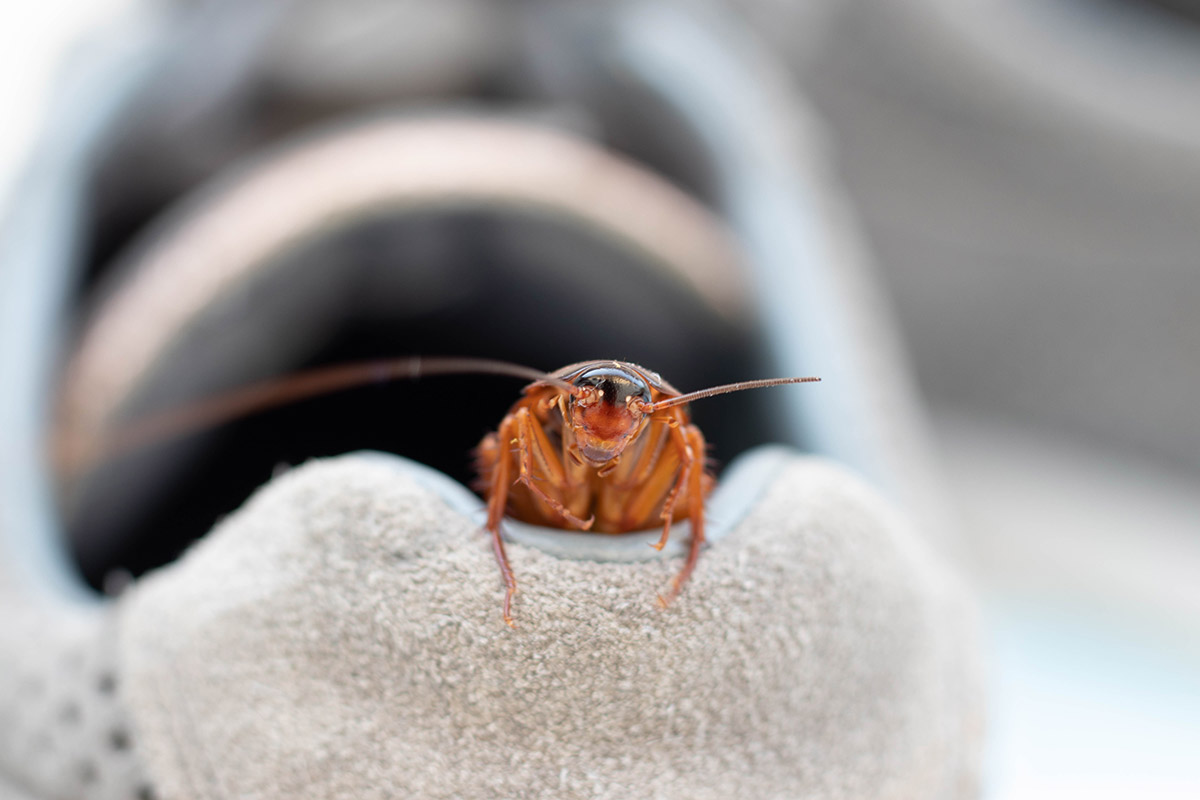
Cockroaches thrive in warm, humid environments and can spread bacteria, contaminate food, and trigger allergies.
Prevention Tips:
Fix moisture issues under sinks or in basements
Keep kitchens clean and garbage sealed
Declutter dark spaces
Use door sweeps and tight-fitting screens
Call a Pro If:
You notice droppings, a musty odor, or nighttime activity.
3. Rodents (Mice & Rats)
Rodents chew wiring, contaminate food, and spread disease. They enter homes through incredibly small openings.
Prevention Tips:
Seal exterior gaps and holes
Keep pet food sealed
Store firewood away from the home
Declutter garages and basements
Warning Signs:
Scratching noises, droppings, gnaw marks, or shredded nesting materials.
4. Spiders
Most spiders are harmless, but their presence indicates other insects are nearby.
Prevention Tips:
Reduce outdoor lighting that attracts insects
Vacuum webs and window corners regularly
Seal cracks around foundations
Store clothing and linens in sealed bins
Professional treatment is helpful if spiders are appearing frequently or if venomous species are suspected.
5. Termites
Termites cause billions in structural damage each year. They are silent destroyers and often go unnoticed until the damage is severe.
Prevention Tips:
Keep soil and mulch away from siding
Fix leaks and eliminate moisture near the foundation
Store wood off the ground
Schedule annual termite inspections
Immediate professional help is required if mud tubes or damaged wood appear.
6. Flies (House Flies & Fruit Flies)
Flies breed quickly and spread bacteria.
Prevention Tips:
Keep kitchen drains clean
Store produce properly
Remove garbage frequently
Clean spills of sugary liquids immediately
Persistent fly activity often indicates a hidden food or moisture source.
7. Mosquitoes
Mosquitoes thrive near standing water and can transmit harmful diseases.
Prevention Tips:
Eliminate stagnant water in buckets, gutters, or flowerpots
Maintain lawn and vegetation
Install window screens
Use outdoor mosquito treatments
A pest professional can apply targeted yard treatments for long-lasting relief.
8. Bed Bugs
Bed bugs hitchhike on luggage, furniture, and clothing. They are difficult to eliminate without professional help.
Prevention Tips:
Inspect hotel bedding and furniture during travel
Wash clothing in hot water after trips
Avoid secondhand mattresses or upholstery unless inspected
Reduce home clutter
If you notice bites, small blood spots, or shed skins, seek expert treatment immediately.
9. Silverfish
Silverfish hide in humid, dark areas and feed on paper, fabrics, and starchy materials.
Prevention Tips:
Reduce humidity with proper ventilation
Use dehumidifiers in basements
Store books and documents in sealed containers
Fix leaking pipes
These pests are often persistent and may require a moisture-control approach.
10. Wasps
While wasps are beneficial outdoors, they pose risks when they nest near homes.
Prevention Tips:
Seal openings around eaves and roofs
Keep outdoor garbage sealed
Repair damaged screens
Remove food and drink residues from decks and patios
Never attempt to remove a nest yourself—professional removal ensures safety.
Final Thoughts
Household pests can invade even the cleanest homes, especially when conditions are favorable. Prevention is always the strongest defense: eliminate moisture, secure food sources, and seal entry points. However, once pests establish themselves, DIY efforts often only offer temporary relief.
For lasting protection, professional pest control provides:
Accurate pest identification
Targeted, safe treatments
Long-term prevention strategies
Peace of mind knowing the issue is fully resolved
If you’re seeing signs of any of these pests, scheduling an inspection is the fastest way to protect your home, health, and property value.
