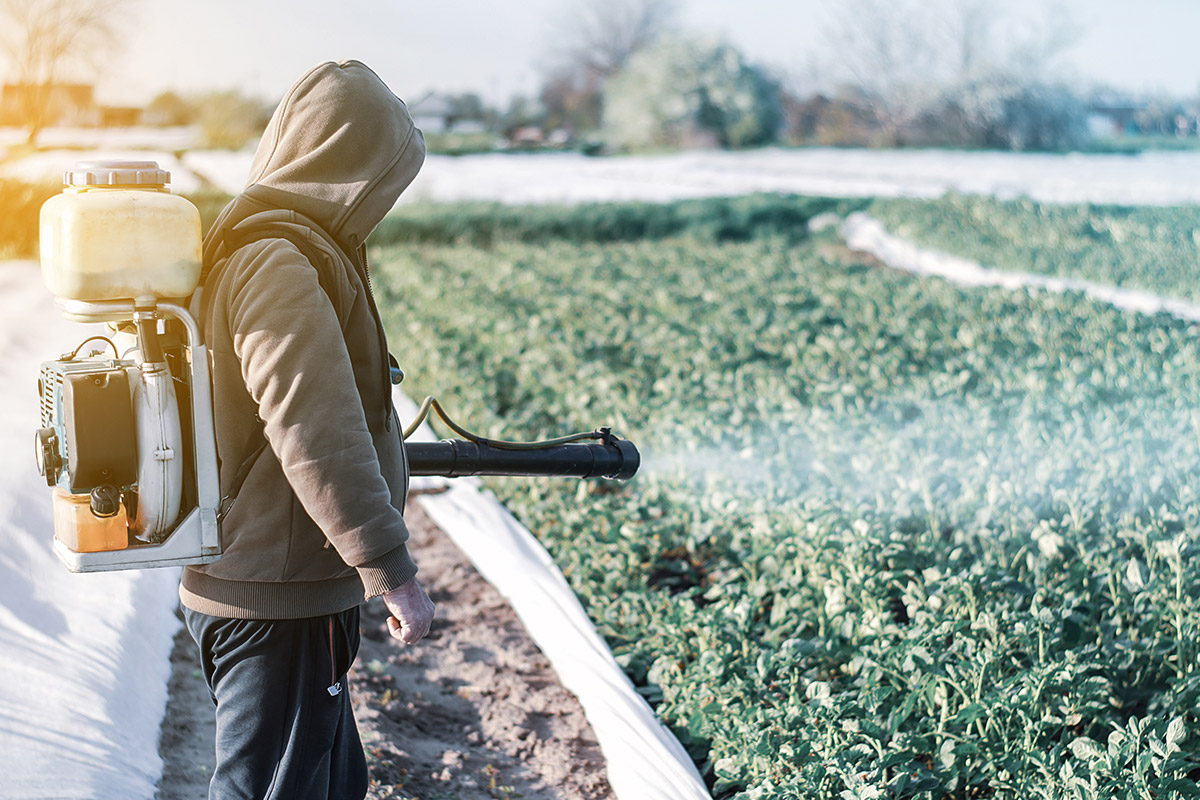
Moving into a new home is exciting, but it also comes with responsibilities you might not expect — like keeping pests away before they have a chance to settle in. Whether you’ve purchased a newly built house or an older property, pests can quickly become a problem if preventive steps aren’t taken early. The good news? A bit of preparation goes a long way toward keeping your home safe, clean, and pest-free.
1. Seal Entry Points Before Unpacking
Pests don’t need much space to get inside. A mouse can squeeze through a hole the size of a dime, and insects need even less. Take time to inspect and seal:
Gaps around doors and windows
Spaces around utility pipes and cables
Cracks in the foundation
Openings in attic vents or crawl spaces
Use silicone caulk, weatherstripping, or steel wool depending on the gap size.
2. Keep the Kitchen Clean From Day One
Your kitchen is the first area pests will explore. Set good habits early:
Store food in airtight containers
Clean up crumbs immediately
Don’t leave dirty dishes overnight
Keep trash cans covered and emptied regularly
A clean, dry kitchen removes the main attractants: food and moisture.
3. Fix Moisture Problems Quickly
Most pests — including ants, cockroaches, centipedes, and termites — are drawn to moisture. Check for:
Leaky faucets
Damp cabinets under sinks
Poor ventilation in bathrooms
Basement or crawl space humidity
Use dehumidifiers if needed and repair leaks right away.
4. Maintain Your Yard to Reduce Pest Activity
Your yard is the first line of defense. Keep it tidy by:
Trimming shrubs away from the home
Removing leaf piles and debris
Keeping mulch at least 8–12 inches from the foundation
Storing firewood at least 20 feet away
These steps reduce hiding places for rodents, ants, termites, and spiders.
5. Don’t Forget Your Attic, Basement & Crawl Space
These areas are often ignored but ideal for pests. Inspect for:
Droppings
Gnawed insulation
Gaps around vents
Signs of nesting
Add screens over vents and ensure these spaces stay dry and well-sealed.
6. Install Door Sweeps & Window Screens
Simple additions make a major difference:
Door sweeps block insects and rodents from sliding under exterior doors
Properly fitted window screens let in fresh air — not pests
Repair tears and holes immediately
7. Store Belongings the Right Way
Cardboard boxes attract insects and rodents. Instead:
Use plastic bins with tight lids
Keep storage items off the floor
Avoid overcrowding storage areas
This makes it harder for pests to hide and nest.
8. Keep Pets’ Food Areas Clean
Pet food left out overnight is a magnet for ants, roaches, and mice.
Tips:
Store kibble in sealed containers
Clean feeding areas daily
Avoid leaving bowls full overnight
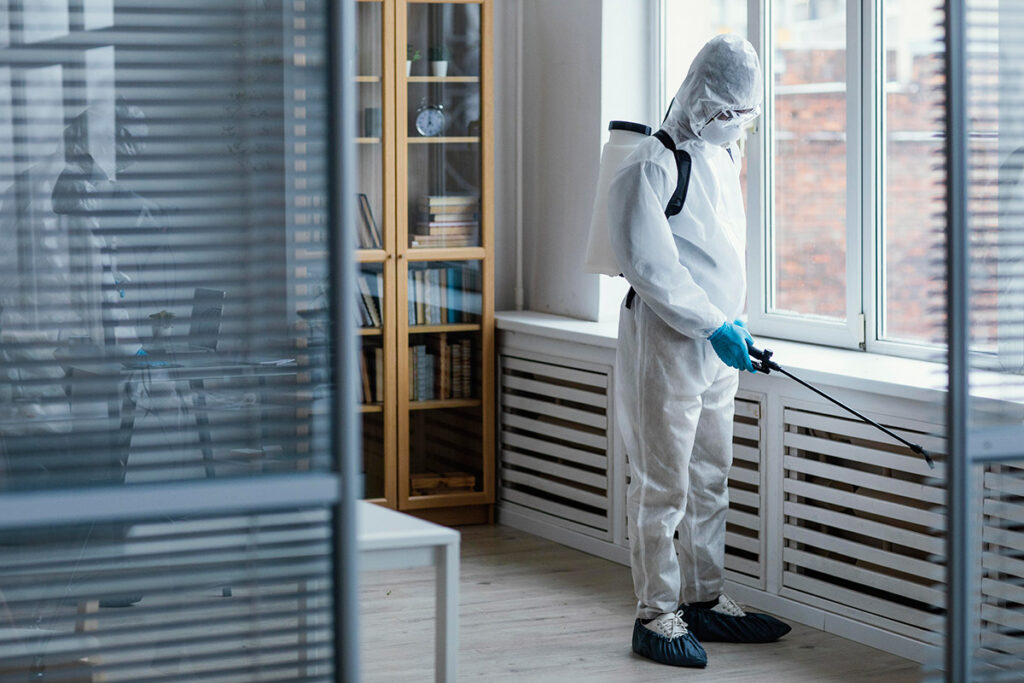
9. Schedule a Professional Inspection
Even if you don’t currently see signs of pests, a professional can identify:
Hidden entry points
Early termite activity
Rodent nesting areas
Vulnerable structural spots
Regular preventive treatments ensure pests don’t get established.
10. Build a Routine: Consistency Is Key
Pest prevention isn’t a one-time task. Create simple monthly habits:
Check for new gaps or cracks
Maintain yard cleanliness
Monitor moisture levels
Keep the kitchen and trash areas clean
Small actions prevent big problems later.
Final Thoughts
Your new home should feel safe, comfortable, and protected from unwanted intruders. By taking proactive steps early — before pests find their way inside — you set yourself up for years of worry-free living. Combine good home maintenance with regular professional inspections, and you’ll enjoy a healthier, cleaner, pest-free environment from day one.