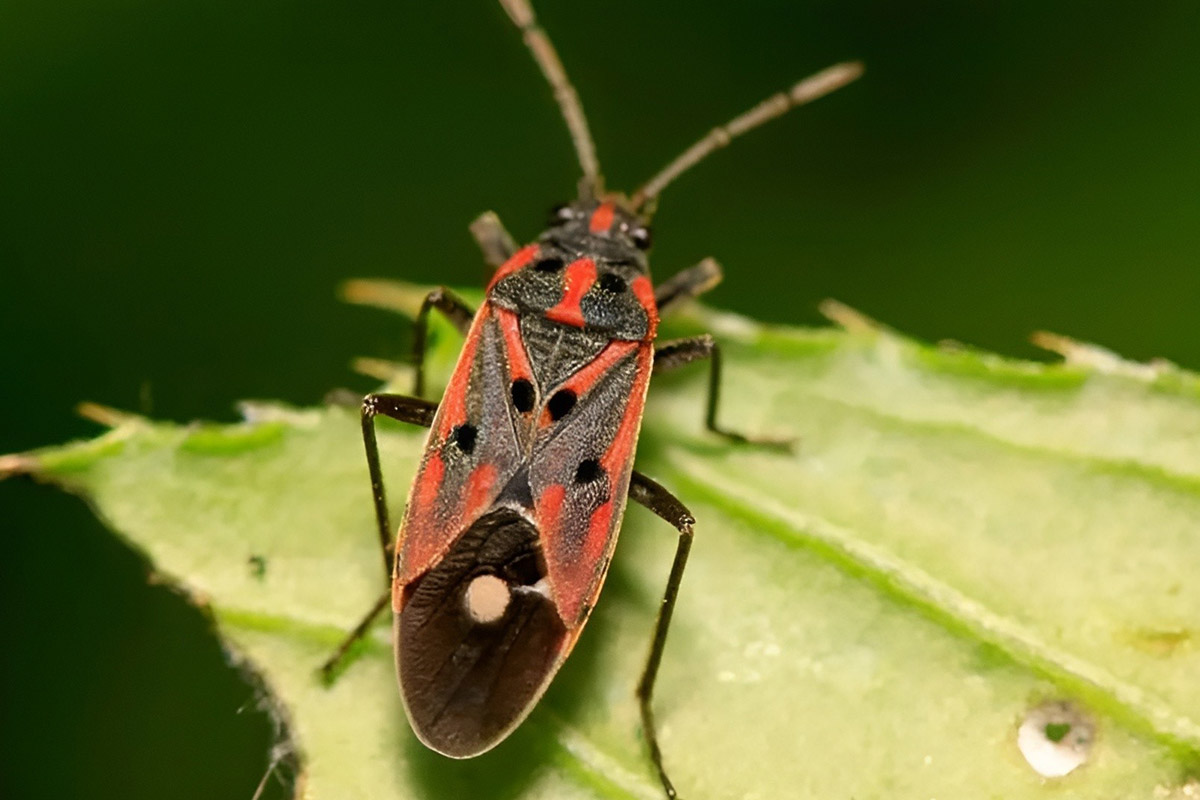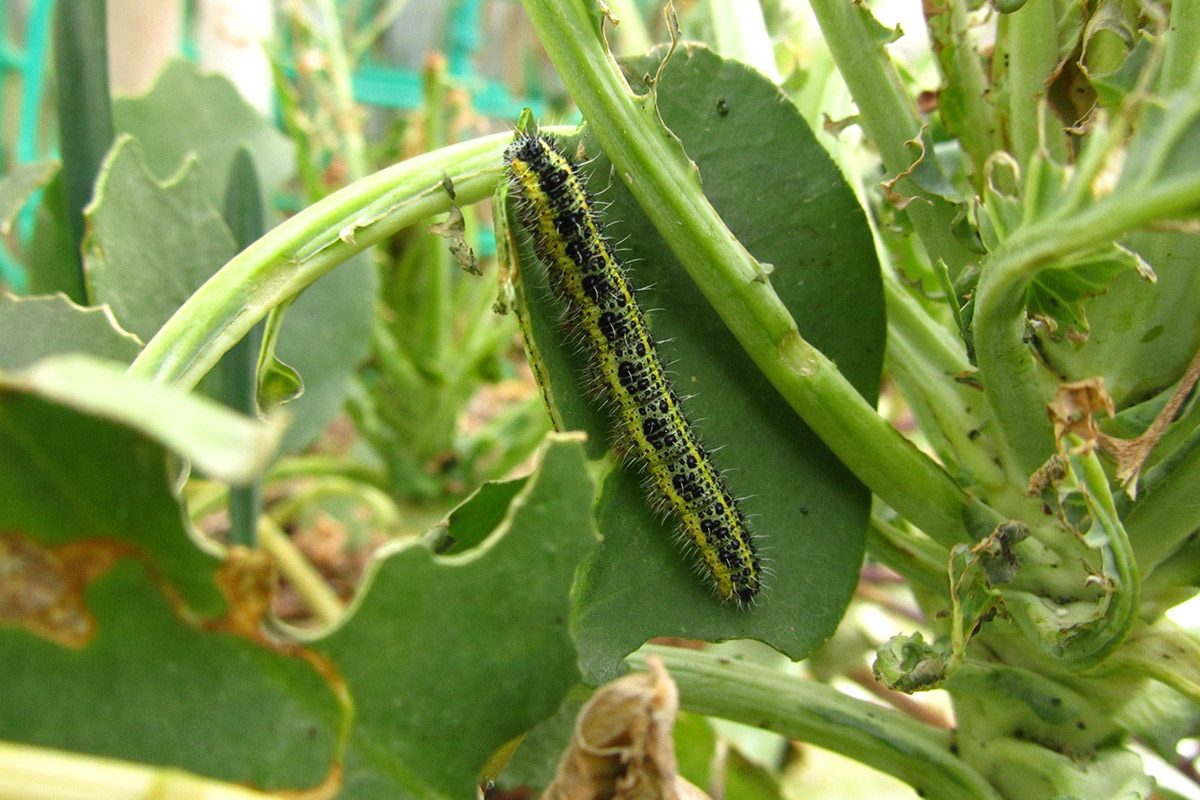
Snails and slugs are among the most destructive garden pests in the United States. These slimy, slow-moving invaders feed aggressively at night, chewing through tender leaves, vegetables, flowers, and seedlings. Because they hide during the day and reproduce quickly, infestations can escalate fast—leaving homeowners frustrated and plants badly damaged.
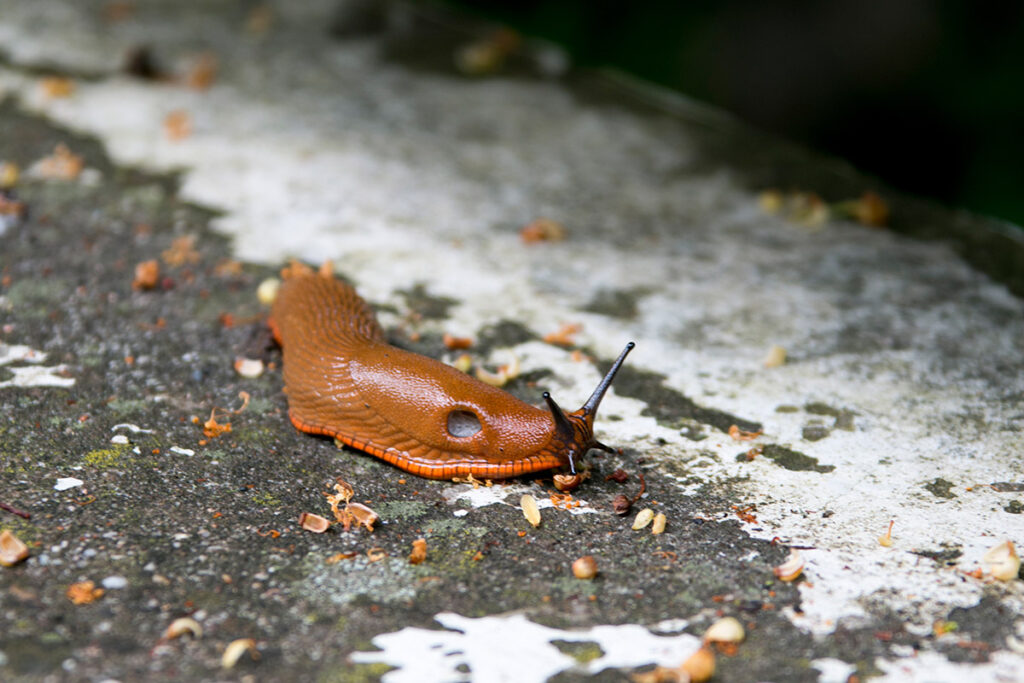
Effective snail and slug control requires a combination of habitat reduction, targeted barriers, natural repellents, and professional treatments.
Why Snails & Slugs Become a Problem
Snails and slugs thrive in:
Damp, shaded yards
Overwatered gardens
Thick mulch or leaf debris
Cool, humid nights
Areas with standing moisture
They feed on:
Hostas
Lettuce, cabbage, and leafy greens
Strawberries
Tomatoes and cucumbers
Flower seedlings
Tender ornamentals
Freshly sprouted plants
Young plants and soft, new growth are the most vulnerable.
Signs of Snail & Slug Damage
Common indicators include:
Ragged, irregular holes in leaves
Missing seedlings
Chewed fruit or vegetables
Shiny slime trails on soil, patios, or leaves
Damage appearing overnight
Snails hiding under pots, boards, rocks, or mulch
If damage appears suddenly and mostly in the morning, snails or slugs are often the cause.
How to Get Rid of Snails & Slugs: Step-by-Step
1. Reduce Moisture & Overgrowth
Start by making your garden less attractive:
Water plants in the morning (not evening)
Improve drainage
Trim overgrown shrubs and weeds
Thin dense groundcover
Remove boards, stones, or yard debris used as hiding spots
Dryer soil and better airflow make it harder for pests to feed.
2. Remove Snails & Slugs Manually
For small gardens, hand-picking works extremely well:
Go out at night with a flashlight
Wear gloves
Drop snails and slugs into a bucket of soapy water
Repeat every few days to quickly reduce the population.
3. Use Barriers & Physical Controls
Copper Tape or Strips
Copper naturally repels slugs and snails. Use it around:
Raised beds
Planter boxes
Tree trunks
Garden pots
When they touch copper, they receive a harmless electrical-like sensation that deters them.
Diatomaceous Earth (DE)
A natural powder that dehydrates soft-bodied pests.
Sprinkle DE around:
Plant bases
Garden beds
Entry points
Reapply after rain or heavy watering.
Crushed Eggshells
These create a rough surface snails don’t like to cross.
Not as strong as copper, but useful for small plants.
4. Natural & Organic Treatments
Iron Phosphate Baits
Safe around pets, wildlife, and children.
Effective for gardens, lawns, and vegetable beds.
Slug-Resistant Plants
Consider planting:
Lavender
Rosemary
Ferns
Geraniums
Foxglove
Ornamental grasses
These plants are less appealing to snails and slugs.
Beer Traps
A classic organic method:
Bury small containers flush with the soil
Fill with beer
The yeast attracts slugs, which fall in and drown
Refresh every few days.
5. Use Chemical Treatments for Severe Infestations
When natural controls aren’t enough:
Use metaldehyde pellets (use with caution around pets!)
Apply professional-grade snail & slug baits
Use residual perimeter treatments to reduce activity
Professionals apply targeted, safe solutions to protect plants long-term.
6. Protect Vulnerable Plants
To prevent feeding:
Use row covers or mesh over seedlings
Place barriers around new plantings
Lift pots onto stands to improve airflow
Avoid leaving mulch too thick near stems
Young plants often need the most protection.
Prevention Tips for Snail & Slug Control
Keep them from coming back:
Water early, not late
Keep mulch under 2–3 inches
Improve drainage in heavy soil
Lift decorative stones and pots regularly
Remove dead leaves and debris
Avoid over-fertilizing (soft growth attracts slugs)
Encourage natural predators (birds, frogs, toads, snakes)
Consistent yard maintenance is key to long-term control.
When to Call a Professional
Contact a pest control or lawn care specialist if:
Snails/slugs are destroying vegetables or flowers quickly
DIY treatments aren’t reducing the population
Large mulch beds or shaded yards make control difficult
You need safe, pet-friendly bait applications
Damage continues through multiple seasons
Professionals use integrated pest management that combines habitat modification, baiting, and long-lasting treatments.