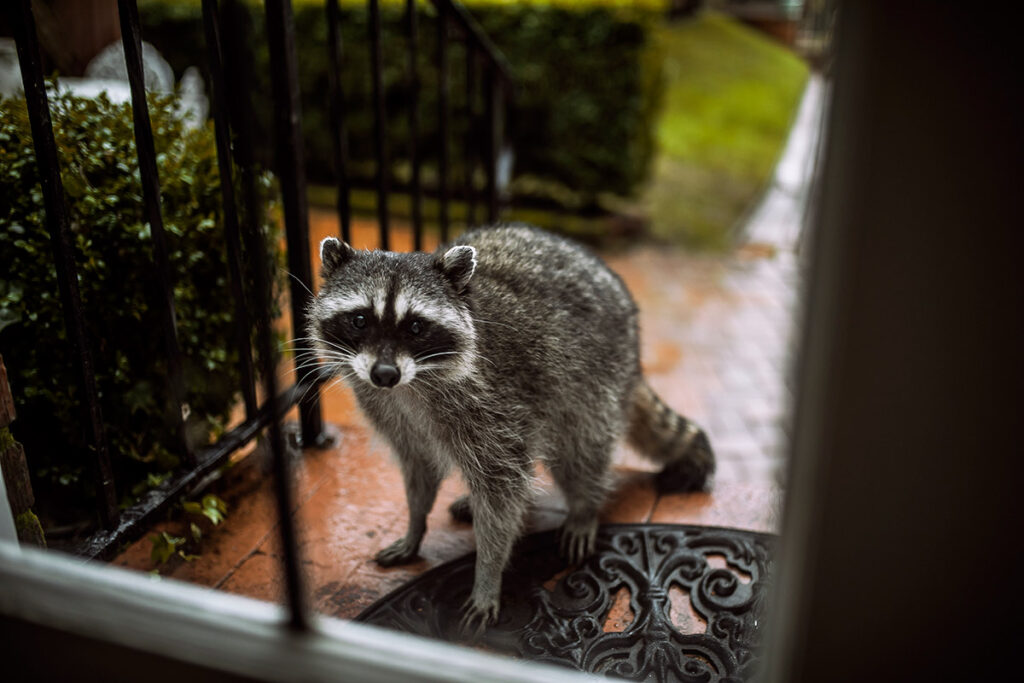
Raccoons are intelligent, strong, and highly adaptable animals. While they may look harmless, they can cause significant damage when they enter attics, crawl spaces, garages, or chimneys. Raccoons tear insulation, destroy ductwork, contaminate areas with droppings, and can spread parasites and diseases. Because they are skilled climbers and problem-solvers, removing them requires a safe, humane, and strategic approach — followed by permanent prevention.
Signs of a Raccoon Problem
Raccoons are mostly active at night, but homeowners often notice:
Loud thumping, heavy walking, or scratching noises in the attic
Damaged soffits, vents, shingles, or rooflines
Torn insulation or ductwork
Overturned garbage cans or scattered trash
Droppings in the attic or around entry points
Strong, unpleasant odors
Tracks or muddy paw prints near entry areas
If you notice these signs, professional attention is recommended.
Professional Raccoon Removal: Safe, Humane, and Effective
Raccoons are larger and more aggressive than other nuisance wildlife, so DIY removal can be dangerous. Certified wildlife specialists use humane techniques to safely remove raccoons without harming them or putting homeowners at risk.
1. Detailed Inspection
A professional will locate:
Entry points
Nesting areas
Damage to roofing, vents, and insulation
Signs of baby raccoons (kits) during spring and summer
Identifying the full scope ensures proper removal and repair.
2. Humane Removal Techniques
Experts typically use:
One-way doors that allow raccoons to exit but not return
Live traps placed strategically when needed
Hand removal for kits, ensuring they’re safely reunited with the mother
All methods follow wildlife regulations and prioritize humane treatment.
3. Cleaning, Sanitation & Restoration
After removal, professionals sanitize the affected areas to eliminate:
Droppings and urine
Parasites such as fleas and roundworms
Contaminated insulation
Repairs may include restoring insulation, fixing ducts, or reinforcing damaged roof sections.
Raccoon Prevention: Keeping Wildlife Out for Good
Once raccoons are removed, prevention (also called wildlife exclusion) is crucial to ensure they do not return. Raccoons are persistent, strong animals, so sealing your home properly is essential.
Key Prevention Techniques
1. Seal All Entry Points
Raccoons commonly enter through:
Rooflines and soffits
Attic vents and gable vents
Chimneys without caps
Loose shingles
Damaged fascia boards
Open crawl space doors or vents
Repairs use durable materials like metal mesh, heavy-duty screening, and reinforced barriers.
2. Install Chimney Caps and Vent Covers
Raccoons often use uncapped chimneys as den sites. Installing professional-grade caps and screens prevents access without blocking airflow.
3. Secure Garbage and Outdoor Food Sources
Raccoons are attracted to:
Open trash cans
Pet food left outdoors
Bird seed
Compost piles
Use tightly sealed containers, avoid leaving food outside overnight, and clean outdoor eating areas.
4. Trim Trees and Remove Climbing Access
Raccoons use branches and fences as pathways to the roof. Prevention includes:
Trimming branches 8–10 feet away from the roof
Installing metal guards on downspouts
Removing vines growing up the exterior walls
5. Protect Your Attic and Crawl Space
Keep these areas dry, clean, and secure:
Fix moisture issues
Add strong screening to vents
Ensure access doors close tightly
6. Maintain Your Yard
Reduce hiding spots by:
Removing debris piles
Storing firewood away from the home
Keeping vegetation trimmed
A clean yard discourages wildlife from settling nearby.
Why Professional Prevention Matters
Raccoons are powerful animals. They can pull apart weak screening, pry open vents, and tear through rotting wood. Professional wildlife technicians understand raccoon behavior and use materials strong enough to withstand future attempts. Proper exclusion helps prevent additional damage, protects your home’s structure, and creates a safer environment for your family.
When to Call a Professional
Contact a raccoon removal expert if you:
Hear loud nocturnal noises
See damage around the roofline or attic
Notice tipped-over trash cans regularly
Find droppings or nesting materials
Suspect a mother raccoon with babies
The sooner you act, the easier and more affordable the solution — and the less risk of structural damage.
Final Thoughts
Raccoons can cause serious damage when they gain access to your home, but with professional removal and long-term prevention, you can keep your property protected. Safe removal, thorough sanitation, and high-quality exclusion work ensure raccoons never return, giving you lasting peace of mind and a fully secure home.