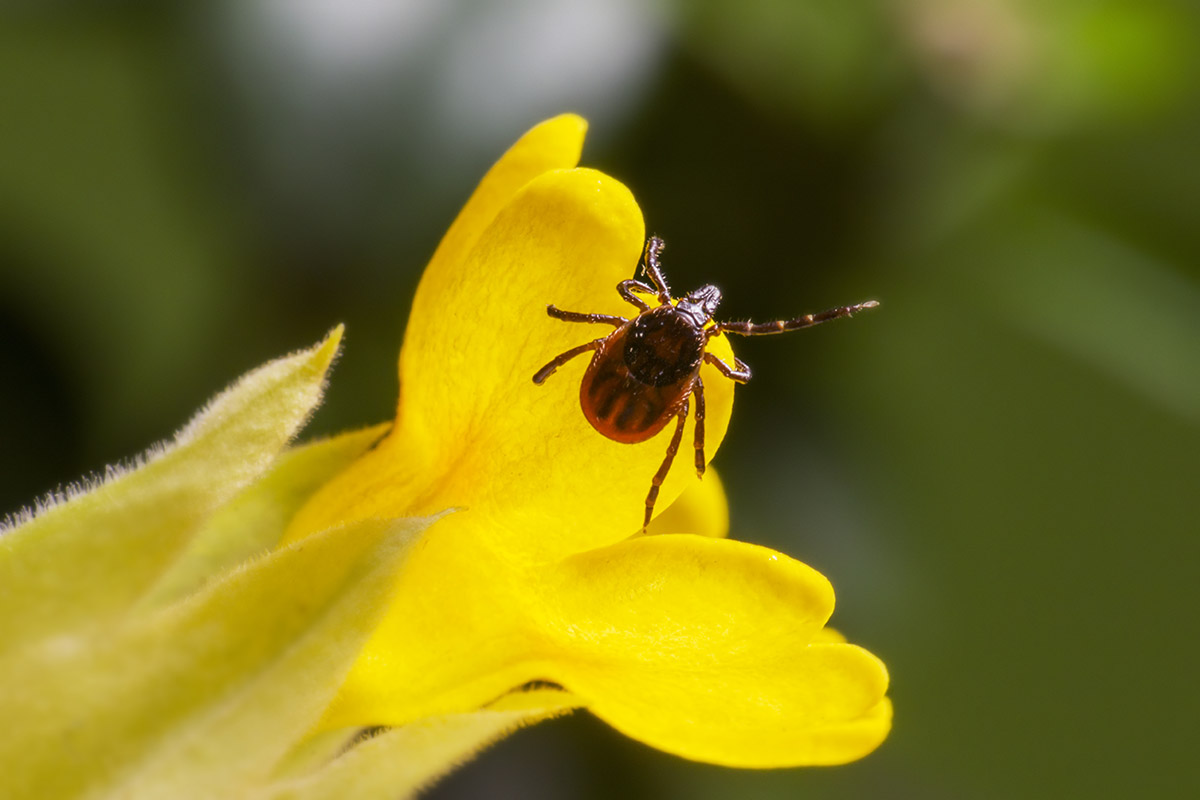
Chiggers — also known as red bugs or harvest mites — are tiny mite larvae that latch onto skin and cause extremely itchy, inflamed bites. They thrive in warm, humid climates and hide in tall grass, brush, and wooded areas. Because they are nearly microscopic and easy to pick up while walking outdoors, professional chigger control helps protect families, pets, and outdoor spaces from ongoing irritation.
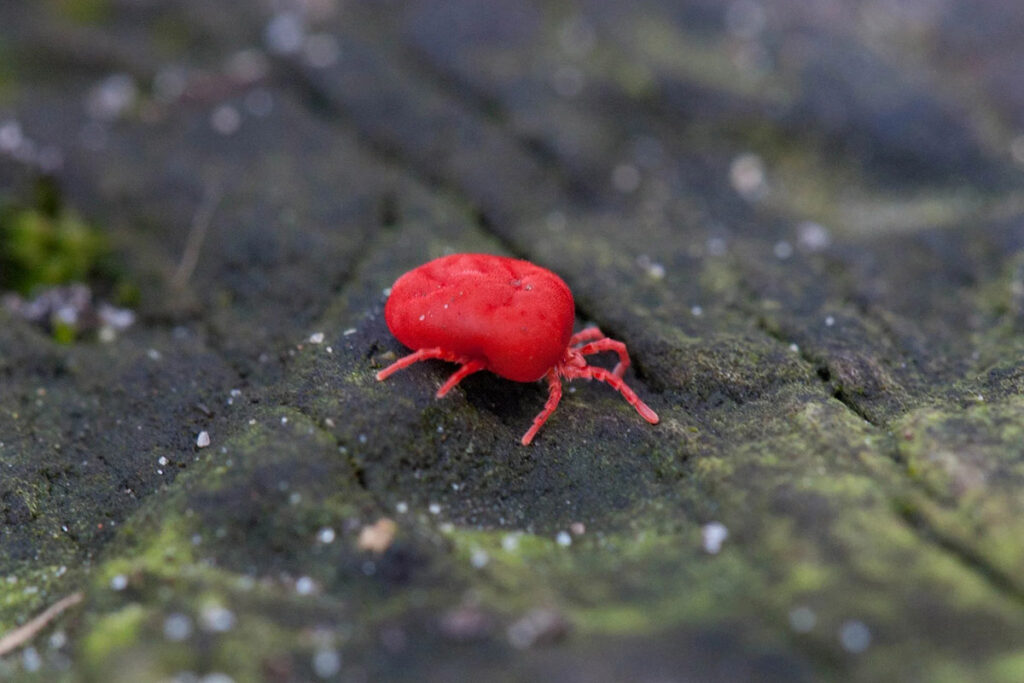
What Are Chiggers?
Chiggers are the larval stage of a type of mite. They are:
Reddish-orange
Nearly invisible (1/150 of an inch)
Active in spring, summer, and early fall
Found in grassy or wooded environments
Contrary to myth, chiggers don’t burrow into the skin. They attach, inject enzymes that break down skin tissue, and feed briefly — leading to welts and days of intense itching.
Where Chiggers Live
Chiggers prefer warm, shaded, and moist environments such as:
Tall grass
Overgrown yards
Weedy areas
Woodland edges
Damp leaf litter
Around lakes, streams, fences, and property lines
If your yard has areas of shade, moisture, or long vegetation, chiggers can easily thrive.
Signs of a Chigger Problem
Chiggers are hard to see, so the signs are usually bite-related:
Small red welts grouped on the legs, waistline, or ankles
Extreme itching that lasts several days
Bites that appear after spending time outdoors
Pets exhibiting itching after being in the yard
Clusters of bites — especially around tight clothing lines — are a strong indicator.
How Professional Chigger Control Works
1. Yard Inspection & Habitat Assessment
A technician will:
Evaluate lawn height and thatch levels
Identify shaded or moist areas
Check fence lines, property edges, and wooded zones
Determine risk areas for chigger activity
Proper assessment ensures targeted and effective treatment.
2. Targeted Insecticide Treatments
Professional chigger control uses EPA-approved products designed to reduce chigger populations rapidly.
Applications typically include:
Treating tall grass and overgrown zones
Spraying shaded, moist, or wooded areas
Perimeter treatments around property lines
Spot-treating high-activity bite areas
Most treatments begin working within hours and provide lasting protection for weeks.
3. Lawn & Landscape Recommendations
To reduce chigger habitats, professionals may suggest:
Keeping grass mowed short
Removing weeds and brush
Trimming tree branches for better sun exposure
Reducing moisture buildup
Managing overgrown fence lines
A maintained lawn is one of the best defenses.
4. Preventative Options
For yards with ongoing chigger activity, seasonal services may include:
Monthly or bi-monthly perimeter spraying
Summer-focused outdoor pest control
Treatment around patios, decks, play areas, and dog runs
Preventative care helps keep your outdoor spaces safe during peak months.
DIY Tips to Reduce Chiggers
Homeowners can support professional treatment with:
Wearing long sleeves and pants in wooded areas
Using EPA-registered repellents (DEET, picaridin, permethrin-treated clothing)
Showering immediately after outdoor activity
Washing outdoor clothing in hot water
Cleaning up brush or yard debris
These steps reduce bite risks between treatments.
Are Chiggers Dangerous?
Chiggers don’t transmit diseases in the U.S., but:
Their bites are intensely itchy
Scratching can lead to skin infections
Pets can bring chiggers inside
Fast treatment and yard maintenance are important to prevent reinfestation.
When to Call a Professional
Contact a chigger control expert if:
You experience repeated outdoor bites
Your yard has overgrown, moist, or wooded areas
DIY repellents aren’t enough
Pets or children are getting bitten
You want long-term protection during warm seasons
Professionals provide safe, effective treatments that dramatically reduce chigger populations.
Final Thoughts
Chiggers thrive in warm, overgrown environments and can make outdoor activities unbearable. With targeted yard treatments, proper lawn maintenance, and ongoing prevention, you can effectively eliminate chiggers and enjoy your outdoor spaces without irritation.