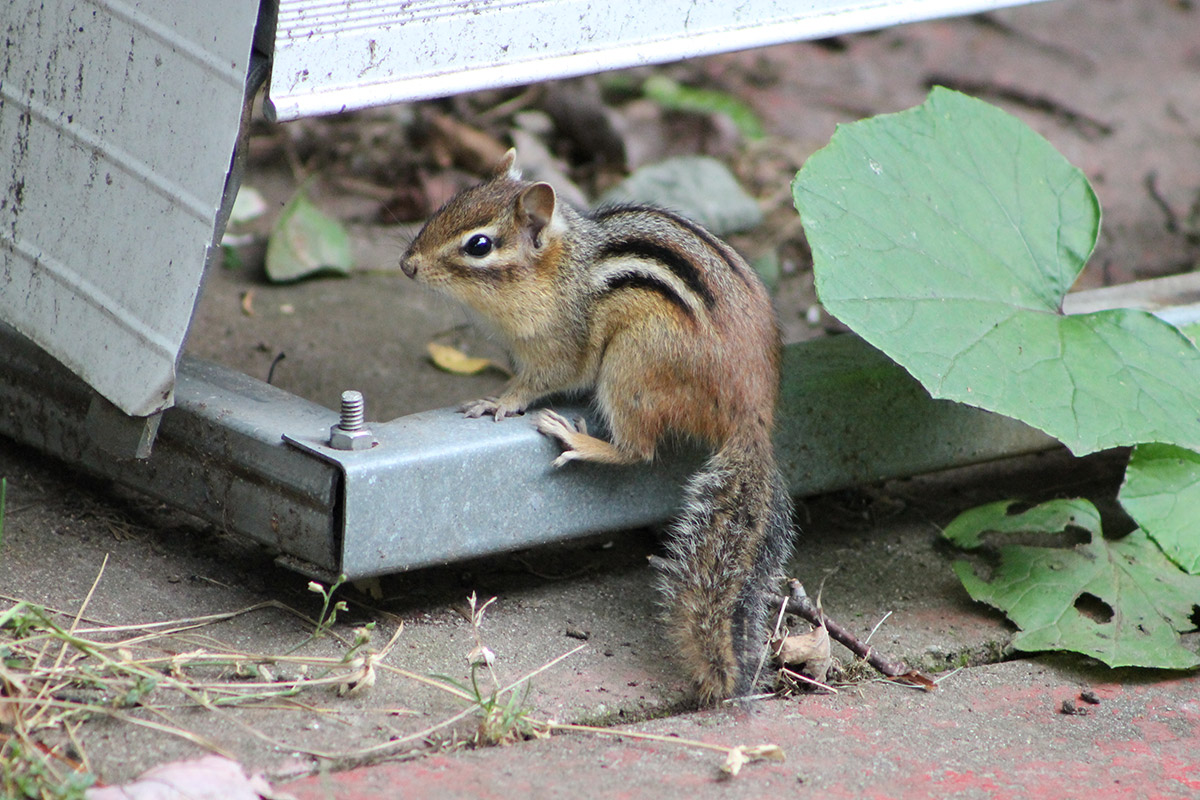
Rats are one of the most destructive and unsanitary pests homeowners face. Once they enter a property, they contaminate food, chew wiring, damage insulation, and spread harmful bacteria. Because rats reproduce rapidly and hide deep within walls, attics, and crawl spaces, a small issue can turn into a serious infestation in a short amount of time. Effective rat control requires two steps: eliminating existing rats and preventing new ones from getting in — a process known as rodent exclusion.
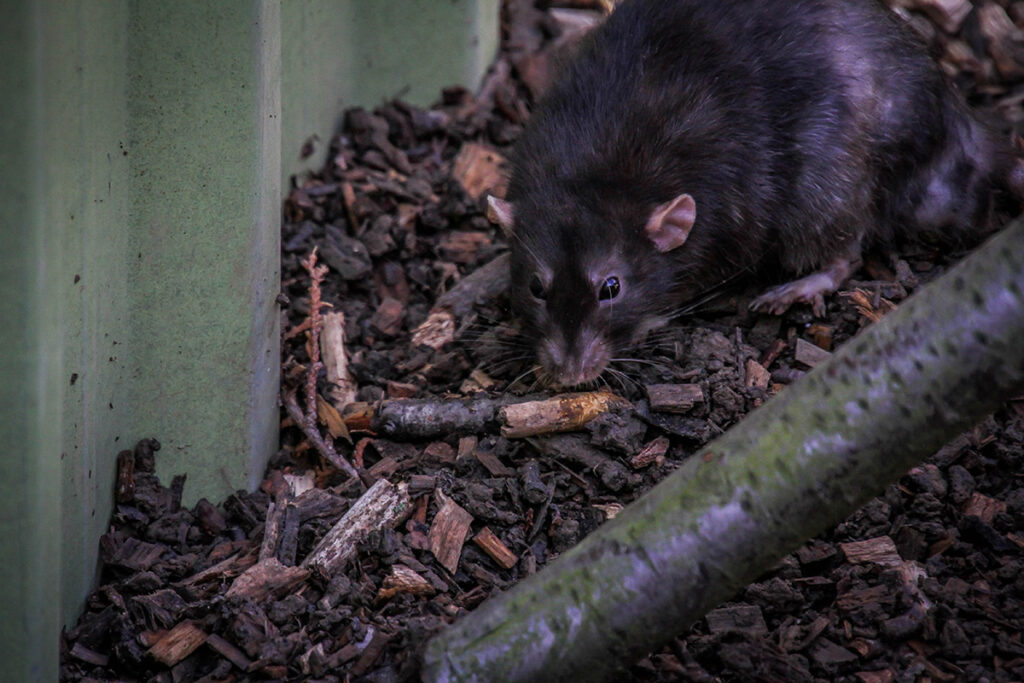
Signs of a Rat Problem
Rats are nocturnal and often stay hidden, but early warning signs include:
Scratching or scurrying noises in walls or ceilings
Droppings around food areas, cabinets, or appliances
Chewed wires, insulation, or stored items
Oily rub marks along baseboards
Gnawing holes around pipes, vents, or foundation gaps
Nests made of shredded paper, fabric, or insulation
If you notice any of these, immediate action is important.
Professional Rat Control: Fast & Effective Elimination
DIY traps might catch a few rats, but they rarely address the entire colony. Professional rat control focuses on:
1. Thorough Inspection
A trained technician identifies entry points, nesting areas, food sources, and pathways rats use to travel through the home.
2. Strategic Placement of Traps or Baits
Experts use safe, targeted methods such as:
Snap traps
Tamper-resistant bait stations
Mechanical traps in attics and crawl spaces
Non-chemical methods when needed
The goal is fast, humane, and complete elimination of the active population.
3. Sanitation & Contamination Removal
Rats leave behind urine, droppings, and bacteria. After removal, professionals sanitize affected areas to ensure your home is safe.
Rat Exclusion: The Most Important Step
Even after rats are removed, the problem will return unless the home is sealed. Exclusion prevents future infestations by blocking every potential entry point.
Key Components of Effective Rat Exclusion
1. Exterior Sealing
Technicians seal all gaps larger than 1/2 inch using:
Steel wool
Metal mesh
Concrete patch
Heavy-duty caulk
Hardware cloth
Common entry points include foundation cracks, rooflines, vents, utility penetrations, and gaps under exterior doors.
2. Repairing Structural Weaknesses
Professionals may recommend repairs such as:
Fixing damaged siding
Reinforcing soffits and fascia
Replacing loose weatherstripping
Screening attic and crawl space vents
These changes help keep rats, mice, and other wildlife out long-term.
3. Eliminating Access to Food and Shelter
To reduce attractants:
Keep garbage cans tightly sealed
Store food in airtight containers
Remove clutter from garages, attics, and basements
Maintain a clean kitchen and pantry
Trim vegetation away from the home
Store firewood at least 20 feet from the house
4. Ongoing Monitoring
Routine checkups ensure the exclusion work stays effective and no new entry points develop.
Why Rat Exclusion Works Better Than Just Trapping
Trapping alone solves the immediate infestation but does not stop new rats from entering. Exclusion:
Prevents future infestations
Reduces long-term costs
Protects wiring, insulation, and structural components
Improves indoor air quality
Helps keep other pests (mice, squirrels, raccoons) out as well
It is the most reliable and long-lasting rat-control solution.
When to Call a Professional
Contact a pest-control specialist if you:
Hear scratching noises
Find droppings or gnaw marks
See rats in or around your home
Notice strong urine odors
Experience repeated infestations
Professionals have the tools, training, and materials needed to eliminate rats completely and secure your home against future invaders.
Final Thoughts
Rats pose a serious risk to your property, health, and safety. Effective control combines rapid elimination with comprehensive exclusion. By sealing entry points, improving sanitation, and monitoring your home over time, you can maintain a clean, safe, rodent-free environment year-round.