Chinch bugs are one of the most destructive warm-season lawn pests in the United States. These tiny insects feed on grass by sucking out plant juices and injecting toxins, causing widespread yellowing, wilting, and dead patches. Without treatment, chinch bug infestations can spread rapidly across your yard — especially during hot, dry summers.
Professional chinch bug lawn treatment eliminates active infestations and prevents long-term turf damage.
What Are Chinch Bugs?
Chinch bugs are small, fast-moving insects that thrive in sunny, dry areas of the lawn. They’re most common in:
St. Augustine grass
Zoysia
Bermuda grass
Centipede grass
They feed in groups, killing grass from the crown outward and leaving irregular dead patches that resemble drought damage.
Signs of Chinch Bug Damage
Chinch bug infestations can look similar to heat or drought stress. Look for these indicators:
Yellowing grass that quickly turns brown
Dead patches in full sun areas
Damage that spreads outward in a circular or irregular pattern
Grass that does not respond to watering
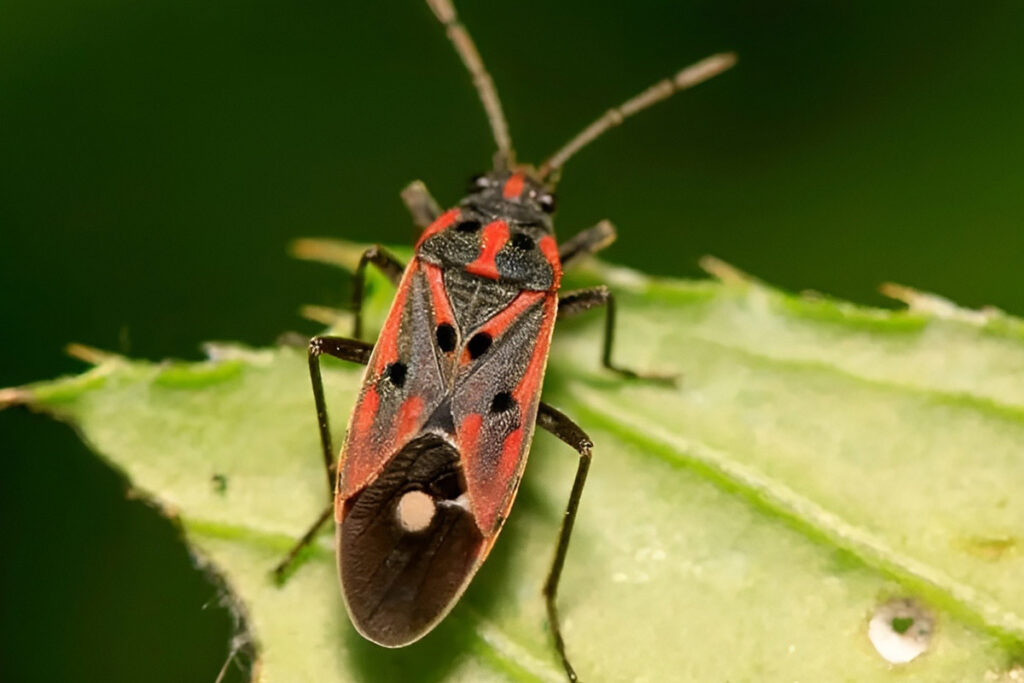
Tiny black-and-white bugs at the soil surface
Floating chinch bugs when you do a “flotation test” (bucket test)
If the lawn is getting water but continues to die, chinch bugs are a likely cause.
How Chinch Bug Treatment Works
1. Lawn Inspection & Pest Identification
A technician will:
Examine damaged turf
Check soil level for chinch bugs and nymphs
Confirm whether the problem is pests or drought
Identify grass type and severity of damage
Accurate diagnosis is essential before treating.
2. Targeted Insecticide Applications
Professional-grade turf insecticides:
Kill chinch bugs on contact
Stop further feeding
Prevent new generations from developing
Provide fast relief in warm-season turf
Products are applied to:
Active infestations
Surrounding high-risk areas
Sunny, dry sections of the yard where chinch bugs thrive
Most treatments start working within 24–48 hours.
3. Lawn Recovery & Repair
Chinch bugs kill grass at the root, so damaged areas may need help recovering:
Deep watering after treatment
Aeration to improve air flow
Fertilization for root regrowth
Overseeding or sod replacement in severe cases
Early treatment prevents large-scale lawn repairs.
4. Preventative Maintenance
To keep chinch bugs from returning, professionals may recommend:
Annual preventative insecticide applications
Proper irrigation scheduling
Removing excess thatch (a chinch bug hotspot)
Seasonal lawn inspections
Preventative care is especially important in regions where chinch bugs are active every summer.
Why Chinch Bugs Are Dangerous for Lawns
Without treatment, chinch bugs can:
Kill large sections of turf
Spread across the entire lawn
Reduce drought tolerance
Create ideal conditions for weeds
Require costly reseeding or sod replacement
Because they reproduce quickly, delaying treatment increases damage.
How to Check for Chinch Bugs (Home Test)
Use the flotation test:
Cut the bottom off a large can or bucket
Press it into the turf several inches
Fill with water
Watch for chinch bugs floating to the surface
If you see multiple bugs within a few minutes, treatment is needed.
When to Call a Professional
Call a lawn-care expert if:
Your lawn shows spreading brown patches
Watering does not improve the damage
You see chinch bugs, nymphs, or floating bugs in the bucket test
You live in a warm, dry region where chinch bugs are common
You want long-term, season-long protection
Professionals use fast-acting, safe, EPA-approved lawn treatments that stop chinch bugs before they destroy your turf.
Final Thoughts
Chinch bugs can cause severe lawn damage in a short period of time. With accurate diagnosis, targeted insecticide applications, and proper lawn recovery practices, you can eliminate chinch bugs quickly and restore your yard to full health. Early intervention is key to preventing costly lawn repairs.