Fruit flies and gnats are some of the most annoying indoor pests for homeowners. They multiply quickly, contaminate food, and thrive in kitchens, bathrooms, drains, and anywhere moisture or organic matter is present. Effective treatment requires correctly identifying the species, removing breeding sources, and applying targeted solutions that provide long-term protection.
Fruit Flies vs. Gnats: What’s the Difference?
Although often confused, they are different pests:
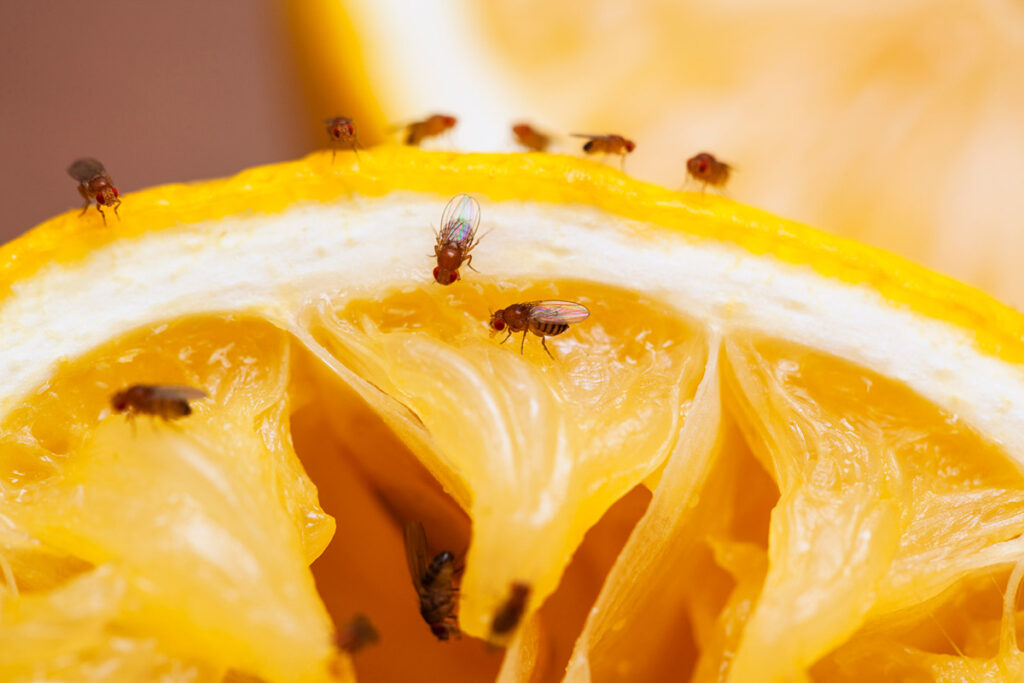
Fruit Flies
Attracted to rotting fruit, vegetables, sugary spills, and alcohol
Tan/yellowish with red or dark eyes
Breed in fermenting organic matter (garbage, recycling bins, mops, drains)
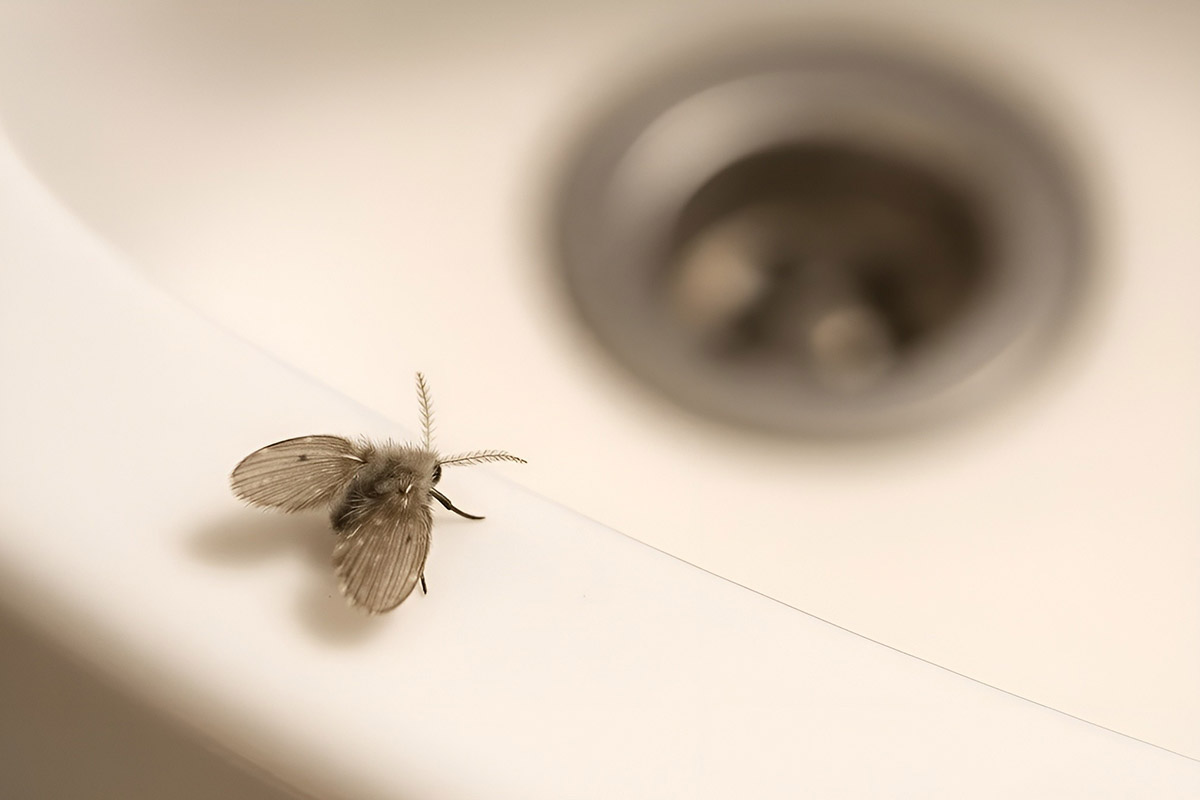
Gnats (Fungus Gnats / Moisture Gnats)
Thrive in overwatered houseplants and damp soil
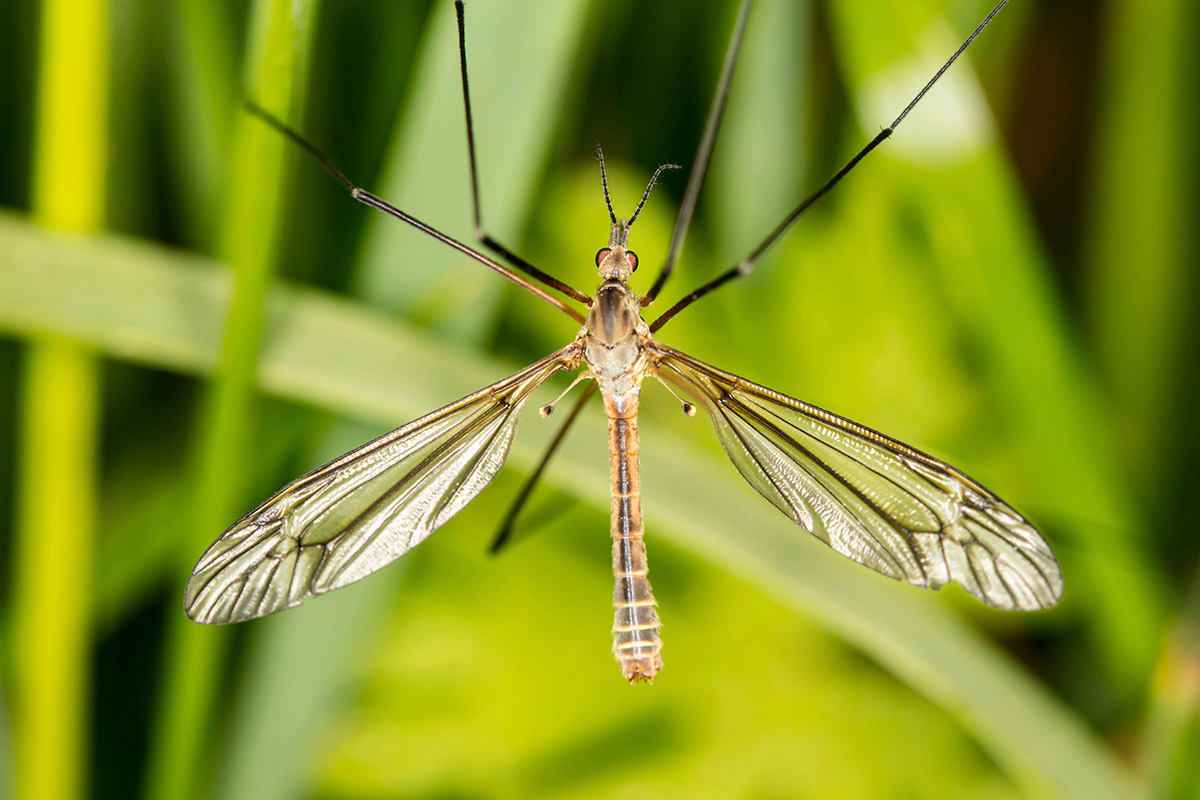
Small, dark, mosquito-like
Breed in moist organic soil or standing water
Correct identification helps target the breeding source more effectively.
Where Fruit Flies & Gnats Come From
Common household sources include:
Overripe fruits and vegetables
Dirty garbage disposals
Standing water in drains
Recycle bins with residue
Open alcohol bottles
Wet kitchen rags or mops
Overwatered indoor plants
Leaking pipes or moisture buildup
Even a small spill or forgotten piece of produce can trigger a rapid infestation.
How to Get Rid of Fruit Flies & Gnats: Step-by-Step
1. Remove All Food Sources
Fruit flies love fermentation. Remove anything they can feed on:
Throw away overripe fruit
Clean countertops and sticky surfaces
Empty garbage and recycling bins
Rinse cans and bottles before placing them in recycling
Wipe down drains and sinks
Eliminating food stops flies from reproducing.
2. Clean the Kitchen Thoroughly
Pay attention to hidden problem areas:
Wipe under appliances
Clean inside trash cans and bins
Scrub garbage disposal with a brush
Remove food buildup from sink strainers
Wash dish rags, mops, and sponges
Fruit flies often breed in moist organic sludge you don’t see.
3. Treat Drain Breeding Sites
If flies are coming from your drains, do this daily for several days:
Pour boiling water to loosen debris
Use an enzyme-based drain gel to dissolve organic buildup
Run hot water again after 6–8 hours
Avoid bleach — it doesn’t break down the breeding slime.
4. Fix Moisture Problems
Moisture attracts gnats and fungus gnats.
Repair leaking sink pipes
Avoid leaving standing water in sinks
Increase ventilation in bathrooms
Use a dehumidifier in damp rooms
5. Treat Houseplants (For Fungus Gnats)
If you see gnats around your plants:
Let the soil dry out between watering
Add a 1–2 inch layer of sand or fine gravel on top of soil to deter egg-laying
Use sticky traps to catch adults
Apply a safe biological treatment (BTI) or soil drench if needed
Healthy, well-drained soil is essential for prevention.
6. Use Traps to Reduce Adult Populations
DIY Vinegar Trap for Fruit Flies
Mix apple cider vinegar + dish soap
Place in a small bowl
Cover with plastic wrap and poke tiny holes
Fruit flies are drawn in and can’t escape.
Sticky Traps
Great for gnats and fungus gnats around houseplants.
Professional Traps
Pest techs use commercial-grade attractant traps for rapid reduction.
7. Apply Targeted Insecticides (If Necessary)
For persistent infestations:
Aerosol or contact sprays for adult flies
Residual treatments around sink bases and drains
BTI-based drenches for fungus gnats in soil
Drain bio-gels for ongoing drain breeding
Professional-grade products provide faster, longer-lasting control.
How Long Does It Take to Eliminate Fruit Flies & Gnats?
Most infestations clear within 3–7 days once breeding sources are cleaned.
Severe cases may require 7–14 days, especially when drains or houseplants are involved.
If flies persist after proper cleaning, you may have:
A hidden leak
A secondary breeding site
Cracked plumbing
Multiple species breeding at once
This is when professional inspection becomes essential.
Prevention Tips
Keep flies from returning:
Store fruit in the refrigerator
Keep drains clean and flowing
Rinse recycling before binning
Don’t overwater houseplants
Fix leaks quickly
Use weekly enzyme drain treatments
Keep trash bins covered
Consistency is the key to long-term prevention.
When to Call a Professional
Contact a pest control company if:
You cannot locate the breeding source
Flies keep returning after cleaning
The infestation spreads to multiple rooms
You have leaking pipes or moisture issues
Houseplants are heavily infested
Professionals provide drain treatments, moisture inspections, and targeted products that resolve infestations quickly and safely.