
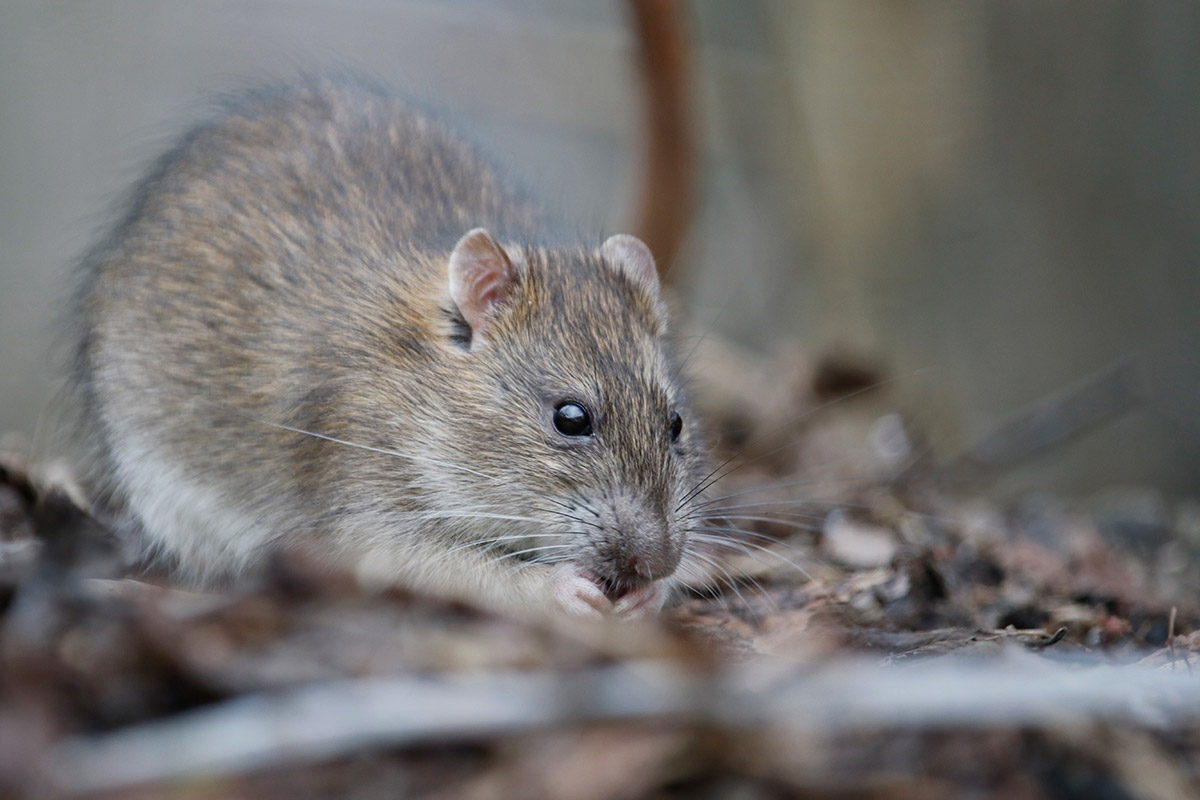
Rodents are one of the most persistent — and destructive — pests homeowners face. While mice and rats can invade nearly any part of a home, attics are their favorite destination. Warm, quiet, and rarely visited, attics offer everything rodents need to survive and multiply. Unfortunately, once they settle in, these pests can cause significant damage to insulation, wiring, stored belongings, and even the structural integrity of the home.
Understanding why rodents target attics and how to stop them is the key to preventing costly infestations. This guide breaks down the top reasons attics attract rodents and the expert strategies that keep them out for good.
Why Rodents Are Drawn to Attics
1. Warmth and Shelter
Attics stay warmer than most parts of the home, especially in fall and winter. Rodents are attracted to this heat because it helps them survive cold weather and safely raise their young.
Why it matters: A warm, undisturbed attic is the ideal nesting environment — leading to rapid population growth.
2. Easy Access Points
Rodents can enter a home through openings as small as a dime. Gaps around rooflines, vents, soffits, chimneys, and utility lines often lead directly into the attic.
What makes it worse: Many of these entry points are high up or hidden, so homeowners never notice them.
3. Quiet, Undisturbed Space
Rodents love places humans rarely visit. Attics are dark, quiet, and free from daily activity, making them perfect for hiding, nesting, and reproducing.
The danger: A colony can grow for months before being discovered.
4. Insulation for Nesting
Rodents shred insulation to create soft, warm nests. Fiberglass, cellulose, and foam all provide the perfect material for bedding.
Problem: Damaged insulation reduces energy efficiency and can cost thousands to replace.
5. Abundant Food & Water Sources Nearby
Rodents don’t always need food in the attic — just close enough access. Kitchens, pantries, garages, and outdoor food sources attract them to the home and eventually into the attic.
Plus: Small roof leaks or condensation can provide enough moisture for survival.
Signs You Have Rodents in the Attic
Look for these common indicators:
Scratching or scurrying noises
Droppings near insulation or corners
Chewed wires, wood, or stored items
Torn insulation or nesting material
A strong, musky odor
Grease marks on beams or entry holes
If you notice any of these, the infestation may already be established.
Expert Tips to Stop Rodents from Entering Your Attic
1. Seal All Entry Points
This is the most important step. Inspect your home’s exterior and attic for:
Gaps in roof tiles or shingles
Openings around vents and soffits
Cracks in siding or eaves
Holes around plumbing or electrical lines
Damaged screens or loose flashing
Use steel wool, metal mesh, and exterior-grade sealants, as rodents easily chew through foam or plastic.
2. Eliminate Food Sources
Reduce what attracts rodents to your property:
Store food in sealed containers
Keep trash tightly lidded
Clean outdoor grills and eating areas
Secure pet food and birdseed
Fix leaking pipes and faucets
A clean environment helps discourage new invaders.
3. Trim Trees and Landscaping
Branches that touch or hang near the roof act as rodent highways.
Keep all vegetation 6 – 10 feet away from your home to prevent easy roof access.
4. Improve Attic Ventilation & Fix Moisture Issues
Rodents thrive in humid, damp spaces. Ensure:
Roof leaks are repaired
Ventilation is functioning properly
Attic humidity is controlled
Standing water is eliminated
Dry attics are far less attractive to pests.
5. Use Professional Trapping and Removal
DIY traps rarely eliminate an entire colony. Professionals use:
Strategic trap placement
Species-specific removal methods
Safe disposal
Entry-point sealing
Long-term monitoring
This ensures the infestation is removed completely, not temporarily.
6. Consider Ongoing Pest Prevention Plans
Routine inspections and maintenance help catch early signs of rodent activity before major damage occurs. Seasonal prevention is especially effective during fall and winter, when rodents aggressively seek shelter.
Final Thoughts
Rodents choose attics because they offer everything needed for survival — warmth, protection, nesting material, and easy access. Unfortunately, once inside, they can cause extensive damage ranging from contaminated insulation to fire hazards caused by chewed wiring.
The best defense is a proactive combination of exclusion, sanitation, moisture control, and professional monitoring. With expert prevention strategies, homeowners can enjoy a rodent-free attic and protect their home year-round.